
Polish defense minister calls for US industry to establish European facilities
Władysław Kosiniak-Kamysz spoke the same day that another senior Polish commander said Patriot deliveries to Poland are expected to be delayed.
Władysław Kosiniak-Kamysz spoke the same day that another senior Polish commander said Patriot deliveries to Poland are expected to be delayed.
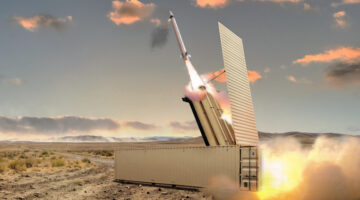
The aerospace giant intends to invest hundreds of millions of dollars of its own cash in the missile alone, alongside additional investments in its seeker and solid rocket motor, said Tim Cahill, president of Lockheed's missiles and fire control division.


As threats continue to evolve, speed will increasingly depend on what is already available when the need emerges.
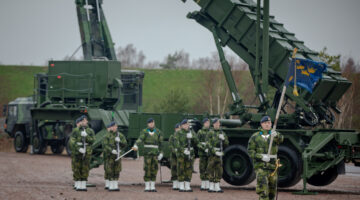
The move, part of a NATO mission, comes as a new government is coming to power in Stockholm, with security policy at the heart of political row.

The award was issued as an undefinitized contract by PAC-3 prime contractor Lockheed Martin.
One proposed deal would allow the United Arab Emirates to purchase $1 billion-worth of Advanced Precision Kill System-II Guidance Sections.
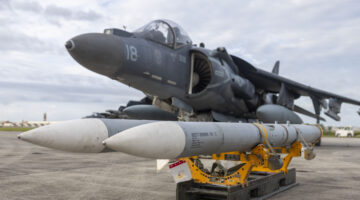
Separately, L3Harris announced it won a $6 billion contract from Lockheed Martin for THAAD interceptor propulsion systems.


Traditional thinking about how to protect facilities must adapt to new threats such as drones or downstream attacks.

While overall effectiveness is high, damage to US bases and assets in the Iran conflict shows gaps in air-and-missile-defense.
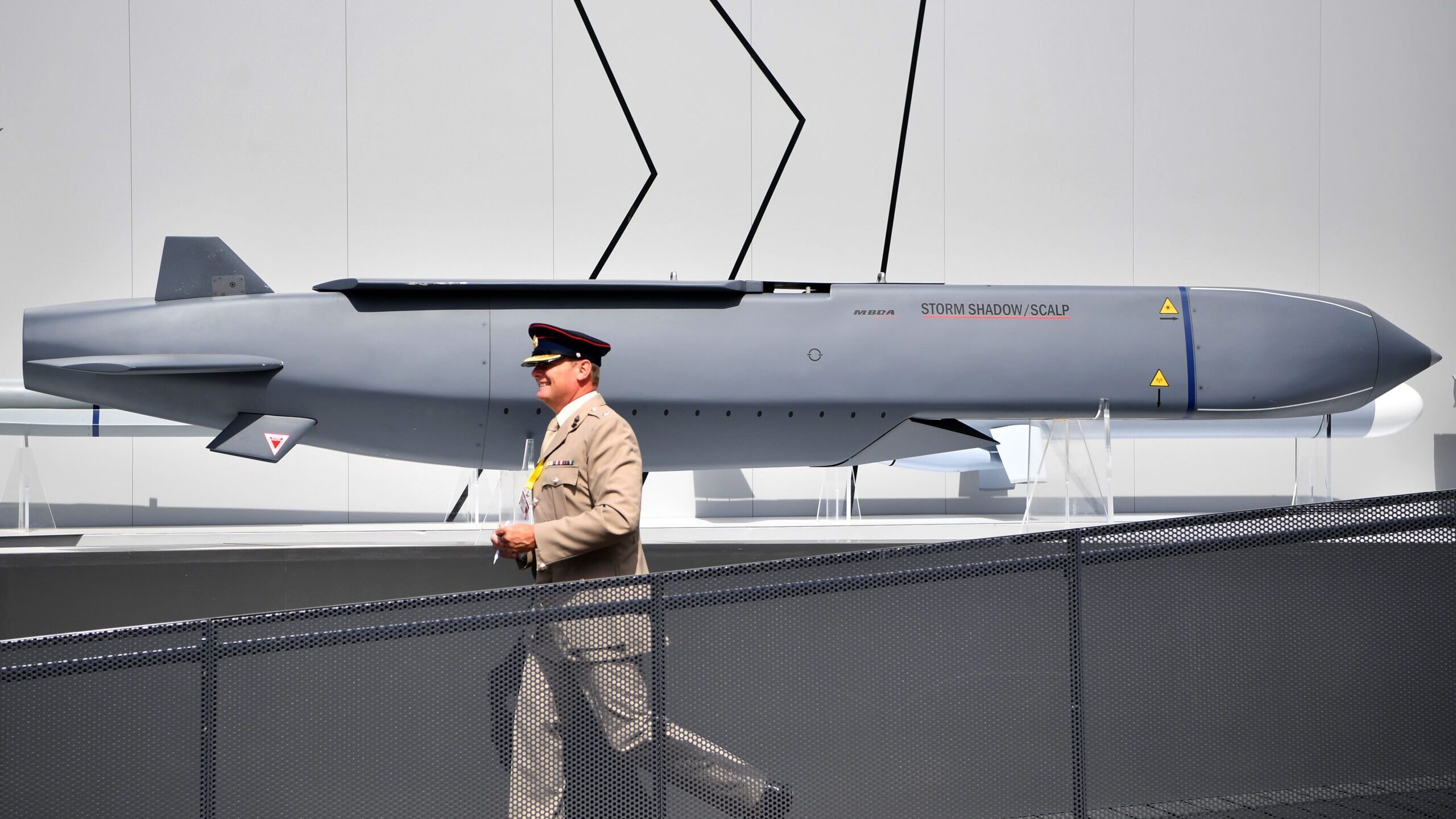
The provision to Kyiv comes alongside increased tensions between Moscow and London over the UK's support for Ukraine.

A brief chat with the chief of the Army's Space and Missile Defense Command.
Brig. Gen. Robert Mikesh, charged with offensive fires, detailed a quadruple challenge — energetics and propulsion, targeting and seekers, the industrial base and “munitions breadth and depth.”


Army vehicles like Bradley need greater power at the sprocket for speed, braking, and manueverability.
“Leading up to [2028], we're going to do a lot of experimentation and test with this unit to make sure that we're ready to fight with it when it's delivered,” said Lt. Gen. John Rafferty.
Boeing plans to offer a cheaper seeker for defensive and offensive military missiles, while Northrop Grumman revealed more about a cannon-based solution to bat down threats like drones and cruise missiles.

In what was a scheduled change-of-command, Lt. Gen. Daniel Lasica will now lead US Air Forces Central at a consequential time for American forces in the Middle East.
“We're evaluating a set of [courses of action] right now, which include a mix of domestic and international sourcing for end units, where they're going to be located, how we're going to build it, [and] which variant,” Michael Cadenazzi, the assistant secretary of defense for industrial policy, told Breaking Defense.